
Why Fall is the Best Time to Plant Sod

September 23, 2019

|

The Turfgrass Group

A successful Zeon Zoysia sod installation begins with choosing the right installation window.

Although sod can be installed during different parts of the year, early fall may provide favorable conditions in warm climates where the soil remains warm after summer.

The intense summer heat begins to ease, moisture evaporates more slowly, and the soil may still be warm enough to support initial root development.

These conditions can reduce stress on freshly harvested sod while giving it time to connect with the soil before winter dormancy.

However, timing matters. Zeon Zoysia is a warm-season grass, so it should not be installed too close to freezing weather.

Early fall may work well in areas with a long, mild autumn, while spring or early summer may offer a more reliable establishment period in colder regions.

Is Fall the Best Time to Install Zeon Zoysia Sod?

Early fall can be a good time to install Zeon Zoysia, but it is not automatically the best season in every region.

Local temperatures, soil conditions, expected frost dates, and the amount of warm weather remaining should all guide the decision.

Zeon Zoysia continues developing roots while the soil remains warm enough to support active growth.

When installation occurs early in the fall, the sod may begin attaching to the prepared soil before cooler conditions slow its growth.

Late fall presents a greater challenge. As soil temperatures fall, root development becomes slower.

Sod installed shortly before the first hard frost may enter dormancy without becoming firmly rooted.

The sod can still survive with proper care, but full establishment may be delayed until growth resumes in spring.

Homeowners should consult a licensed Zeon Zoysia grower before scheduling installation. A local grower will understand the regional climate and can recommend whether fall provides enough time for early establishment.

Benefits of Early-Fall Zeon Zoysia Sod Installation

When local conditions remain warm enough, early fall can make installation and initial maintenance more manageable.

Cooler Air Reduces Stress on Fresh Sod

Freshly harvested sod remains alive while it is transported, delivered, and installed.

During extremely hot weather, rolled or stacked sod can heat up quickly and begin losing moisture.

The milder air temperatures of early fall may reduce heat buildup and slow moisture loss.

This does not eliminate the need for prompt installation, but it can provide a more manageable working environment than the hottest part of summer.

Sod should still be installed as soon as possible after delivery. Leaving it stacked for an extended period can cause deterioration even when outdoor temperatures feel comfortable.

Lower Evaporation Helps Retain Moisture

New sod requires consistent moisture while its roots begin growing into the soil. Hot summer conditions can dry the sod, seams, and underlying soil quickly, making frequent moisture checks essential.

Early-fall temperatures often reduce evaporation, allowing the soil to retain moisture for longer periods.

This may make it easier to maintain even moisture without watering as frequently as would be necessary during extreme summer heat.

Seasonal rainfall may also help, but it should not replace regular monitoring. Edges, slopes, seams, and sunny sections can dry faster than the rest of the lawn. These areas may need additional attention even after rainfall.

Warm Soil Can Continue Supporting Roots

Air temperatures may feel cooler in early fall, but the soil often retains heat from summer. This remaining warmth can support initial root development when the installation is completed early enough.

Zeon Zoysia may begin forming contact with the underlying soil even as visible leaf growth slows.

The amount of rooting that occurs before dormancy depends on soil temperature, moisture, sunlight, and the number of warm weeks remaining.

This is why early-fall installation is generally more dependable than waiting until late fall. Installing earlier gives the sod a longer opportunity to settle and begin establishing before cold weather arrives.

Installation Work Becomes More Manageable

Preparing and installing a lawn involves removing vegetation, grading the soil, transporting sod, trimming pieces, and watering the finished area.

Completing these steps during moderate weather can be easier than working under intense summer sun.

Cooler conditions also reduce the possibility of freshly delivered sod overheating while the installation team is working.

The benefit is most noticeable when the site has been fully prepared before the sod arrives.

Weed Pressure May Be Lower

Many aggressive summer weeds begin slowing as temperatures decline. Installing sod after properly clearing the site may reduce some of the weed competition associated with spring and summer lawn establishment.

Sod should never be placed directly over actively growing weeds.

Existing vegetation and persistent weeds must be removed before installation, so they do not interfere with soil contact or grow through the finished lawn.

Why Zeon Zoysia Is Suitable for Many Landscapes

Zeon Zoysia is a fine-bladed, deep-green warm-season turfgrass that forms dense and visually uniform coverage. It spreads through stolons and rhizomes, allowing it to create a compact lawn after establishment.

The variety offers notable shade and drought tolerance, although it still requires adequate sunlight, moisture, and appropriate maintenance.

Its fine texture and comfortable surface make it suitable for residential lawns, landscaped properties, and selected recreational areas.

Zeon Zoysia also offers good late-season color retention compared with many warm-season grasses.

However, it will eventually become dormant and lose its green color when temperatures remain cold.

The variety is available only through licensed certified producers. Purchasing from a licensed grower helps confirm that the sod is genuine Zeon Zoysia and has been produced according to standards that protect its purity and uniformity.

Zeon Zoysia Compared with Other Sod Options

Choosing the right grass is just as important as selecting the installation season. Sun exposure, anticipated traffic, appearance, drought conditions, maintenance expectations, and regional climate can make one variety more suitable than another.

TifTuf Bermuda sod may be considered for properties receiving abundant sunlight and experiencing regular foot traffic.

It is known for drought tolerance, vigorous growth, and recovery from wear. However, Bermuda grasses generally need strong sunlight and may not be appropriate for areas with considerable shade.

Stadium Zoysia sod may be suitable for landscapes and turf areas that need dense coverage, visual quality, and durability.

Like Zeon Zoysia, it is a warm-season grass, but its growth characteristics and intended applications may differ.

Zeon Zoysia is often selected when homeowners want a fine-bladed, dense lawn that can tolerate some shade.

A licensed grower can help compare Zeon Zoysia, TifTuf Bermuda, and Stadium Zoysia according to the property’s conditions rather than relying on appearance alone.

Prepare the Site Before the Sod Arrives

Correct site preparation allows the sod to make direct contact with the soil and begin rooting more effectively. The preparation process should be completed before delivery so that freshly harvested sod does not remain stacked while the ground is being cleared.

Remove existing grass, weeds, rocks, roots, and construction debris from the installation area. A soil test can identify pH concerns and nutrient needs before amendments are applied.

Loosen compacted soil to create a suitable rooting zone, and grade the area so that water drains away from buildings without collecting in low spots. The finished surface should be smooth and slightly below sidewalks, driveways, patios, and landscape edging.

Moisten dry soil before installation, but do not saturate it. Sod placed over extremely dry soil can lose moisture rapidly, while excessively wet ground may develop ruts and compaction during installation.

Schedule Delivery Around Installation

Zeon Zoysia sod should be installed promptly after it is harvested and delivered. Rolled or stacked sod can build up heat, lose moisture, and deteriorate when it remains on the pallet for too long.

Coordinate delivery only after the soil has been prepared and the installation team is ready. Whenever possible, install the sod within 24 hours of delivery and protect uninstalled pieces from direct sunlight.

If an unexpected delay occurs, unstacking or unrolling the sod may help reduce heat buildup. However, this should not be treated as a substitute for timely installation.

How to Lay Zeon Zoysia Sod Correctly

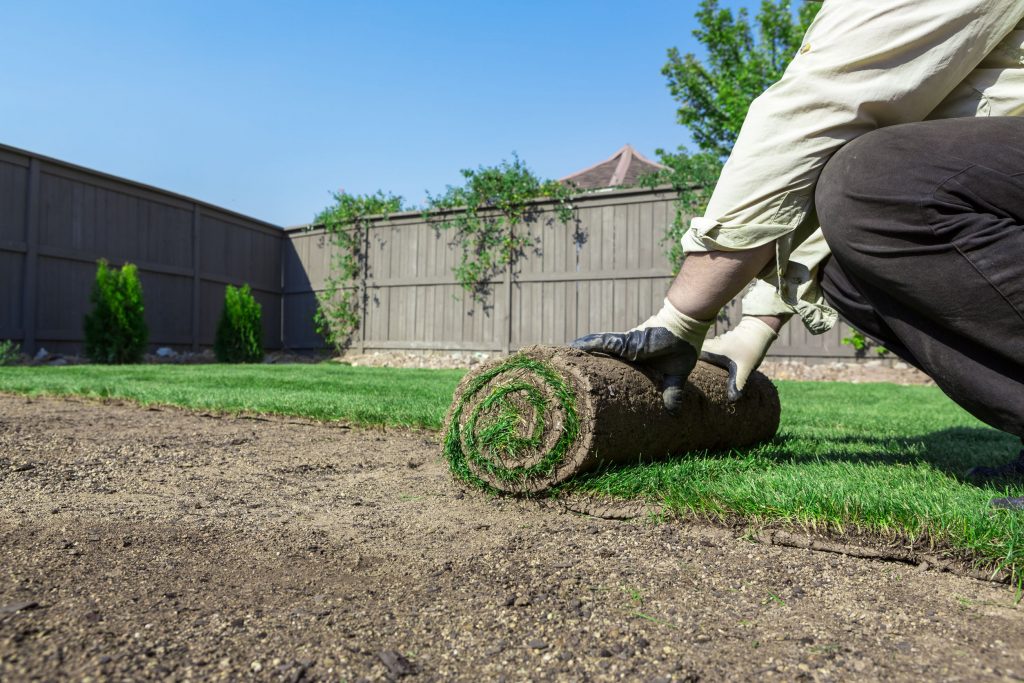
Begin installation along a straight boundary, such as a driveway, sidewalk, or patio. Place each piece tightly against the next without overlapping, stretching, or leaving wide seams.

Stagger the joints in a brick-like arrangement so that four corners do not meet at the same point. Trim pieces carefully around landscape beds, drains, walkways, and other fixed features.

On slopes, install the sod across the slope to reduce movement. Steeper areas may require biodegradable stakes until the roots begin securing the sod.

After every piece has been installed, roll the area lightly to improve sod-to-soil contact and reduce air pockets. Begin watering promptly so the sod and upper layer of soil become evenly moist.

Watering Zeon Zoysia After Fall Installation

Newly installed Zeon Zoysia requires consistent moisture, even when fall temperatures are moderate. The sod and upper soil layer should remain moist without becoming saturated or developing standing water.

Check different areas of the lawn rather than judging moisture from one location. Edges, seams, slopes, and sections exposed to afternoon sunlight may dry more quickly.

Lift a corner of the sod carefully to confirm that water has reached the underlying soil. As roots begin attaching and the sod becomes more difficult to lift, gradually reduce watering frequency while increasing the depth of each watering cycle.

Rainfall, soil texture, drainage, temperature, and local watering restrictions will affect the schedule. A fixed watering plan may not work for every property, so moisture conditions should guide adjustments.

Dormant sod still needs water. Brown or tan blades do not mean the grass no longer requires moisture. Sod installed shortly before dormancy must be monitored during dry winter periods because its developing roots may not yet reach moisture deeper in the soil.

Be Careful with Fall Fertilization

New sod does not always need fertilizer immediately after installation. Applying too much nitrogen late in the growing season can encourage tender leaf growth when the plant should be preparing for dormancy. It may also contribute to disease concerns under cool, wet conditions.

A soil test should determine whether lime or specific nutrients are needed. Avoid adding fertilizer simply because the sod is new.

If Zeon Zoysia is installed after it has entered dormancy, major nitrogen applications should generally wait until the grass has completed spring green-up and resumed active growth. Local recommendations should guide the timing and amount of fertilizer used.

When Should Fall Installation Be Delayed?

Early fall will not provide suitable installation conditions in every situation. Consider postponing the project when:

  • Freezing weather is expected shortly after installation.
  • The ground is frozen, saturated, or severely compacted.
  • Local soil temperatures are already too low to support rooting.
  • The property lacks a reliable irrigation source.
  • Fresh sod cannot be installed soon after delivery.
  • Drainage, grading, or soil problems have not been corrected.
  • The site does not receive enough light for healthy Zeon Zoysia growth.

In colder parts of the growing range, spring or early summer may provide a longer and more dependable establishment period. Waiting for active growing conditions may reduce the risk of the sod entering dormancy before forming adequate contact with the soil.

Plan Zeon Zoysia Sod Installation Around Your Climate

Early fall can provide comfortable temperatures, reduced evaporation, and warm soil that supports initial rooting.

These benefits make it a practical installation period in regions where mild weather continues long enough before winter.

The season alone does not guarantee successful establishment. Fresh sod, prepared soil, prompt installation, correct watering, and enough remaining growing time all influence the result.

Zeon Zoysia is available through licensed certified producers. Before scheduling a fall project, you can consult with the experts at the TurfGrass Group because we can help you evaluate regional conditions and determine whether early fall provides the right window for your lawn.

Frequently Asked Questions

Does Zeon Zoysia stay green throughout the winter?

Zeon Zoysia is a warm-season grass that usually becomes dormant and turns tan or brown after sustained cold temperatures. This color change is normal and does not mean the sod is dead. Its green color returns after temperatures rise and active growth resumes in spring.

Can people walk on newly installed Zeon Zoysia?

Keep foot traffic, pets, and lawn equipment off newly installed sod until its roots have attached firmly to the soil. Walking on loose sod can create uneven areas, separate seams, and interfere with early rooting. Test establishment by gently lifting a corner.

Can Zeon Zoysia grow beneath trees?

Zeon Zoysia offers good shade tolerance compared with many warm-season grasses, but it still requires adequate filtered or direct sunlight. Dense tree canopies may produce excessive shade and compete with the lawn for water and nutrients. Pruning may improve growing conditions where appropriate.

When can newly installed Zeon Zoysia be mowed?

Wait until the sod has rooted firmly and reached an appropriate mowing height. The ground should also be dry enough to support the mower without creating ruts. Use a sharp blade and avoid removing more than one-third of the grass height in one mowing.

Why are the seams in new sod turning brown?

Brown seams often develop because exposed edges dry faster than the center of each piece. Gaps between pieces, uneven watering, poor soil contact, and delayed installation can make the problem worse. Check seam moisture carefully and adjust watering before the damage spreads.

Can leaves remain on newly installed Zeon Zoysia?

Remove fallen leaves regularly because thick layers can block sunlight, trap excess moisture, and interfere with the sod’s development. Use a lightweight blower or rake carefully so the pieces are not lifted or shifted before their roots become established.

Will Zeon Zoysia spread into small gaps between sod pieces?

Zeon Zoysia can spread through stolons and rhizomes after active growth begins. However, pieces should still be fitted tightly during installation. Large gaps may dry out, collect weeds, and remain visible much longer, particularly when the grass enters winter dormancy.

Can pre-emergent herbicide be applied to new Zeon Zoysia?

Some herbicides can interfere with root development or injure newly installed turf. Do not apply a pre-emergent or post-emergent product unless its label allows use on newly installed Zeon Zoysia. Ask a local turf professional when product suitability is uncertain.

Which is better for shaded lawns: Zeon Zoysia or TifTuf Bermuda sod?

Zeon Zoysia is generally the more suitable option for landscapes with partial shade. TifTuf Bermuda sod performs best with abundant direct sunlight. Actual performance still depends on shade density, soil conditions, irrigation, tree-root competition, and regional climate.

Where can homeowners purchase genuine Zeon or Stadium Zoysia sod?

Zeon Zoysia and Stadium Zoysia sod should be purchased from licensed certified producers. Certification helps protect varietal purity, quality, and uniformity. Homeowners can use The Turfgrass Group’s grower network to locate an authorized producer serving their region.

Posted in