
The crown jewel of your home landscape: the perfect lawn! Achieving this lush, green feat may not be as complicated as you think. Follow our guide for how to install, care for, and maintain a beautiful lawn. Before you know it, your lawn will be the envy of the neighborhood.
Install
When it comes to the initial creation of your lawn, there are two options to choose from: turf or seed. When you have robust lawn turf installed, you get an instant result. Additionally, this type of lawn will need less maintenance in the first couple of months. Choosing the type of turf you install will also impact your long-term results. Professional turf installers help you select the best variety for your lawn, whether it’s a hearty Bermuda or lush Zoysia. When you use a professional, you can guarantee that your lawn will get the best start. They’ll prep your yard, lay down healthy turf, and pave the way for easier maintenance.
Mow
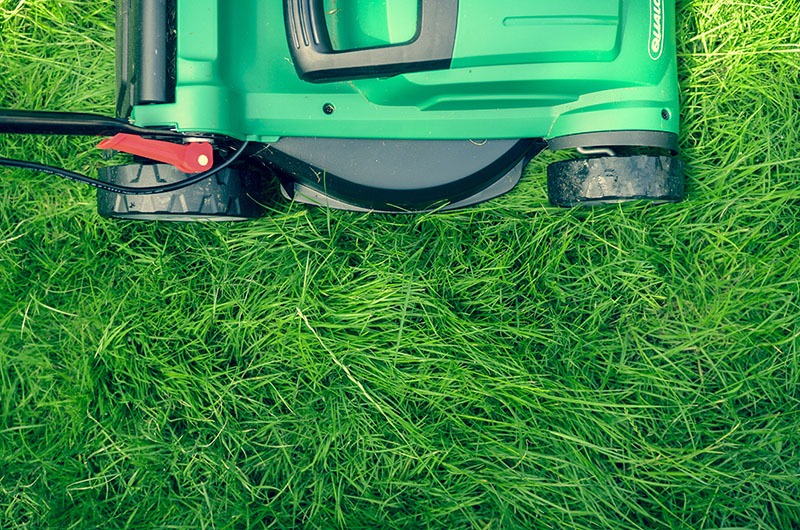
Frequent mowing is a must for the health of your lawn. Mowing infrequently can lead to “scalping.” Scalping is when you mow the grass so low that you cut the blade off at the growing point or crown. The taller the grass blade, the higher the growing point, which is why infrequent mowing contributes to this issue.
Scalping results in an uneven and ugly browning of your lawn, and your grass will need time to recover from the damage. You can avoid this problem altogether with frequent trims using sharp, well-maintained mower blades.
If you want to go high-tech and low effort, you can employ a robotic mower! Robotic lawnmowers can mow your lawn without you or a landscaper on the scene. They will continuously mow your lawn at the correct height and learn the area, much like a robotic vacuum cleaner. They cut off a little of the grass blade each day, thereby preventing lawn scalping.
Mowing Schedule for a Perfect Lawn
If you choose to go the old-fashioned route for mowing your lawn, you can follow this schedule for the best results:
In the spring and summer, your grass will be growing the most and at its strongest. Therefore, these months will require the most maintenance. Lawn growth begins in the spring, and this is when your regular mowing routine should start. In March, you can begin cutting dry grass with a high cut. In April, as temperatures rise, your grass will grow more quickly. In April, plan to mow your lawn at least once every 2 weeks.
In early summer, May and June, you will need to mow your lawn frequently, but with a lower cut. Plan to mow once a week in these months. In the hottest summer months, July and August, grass growth tends to slow down. In dry weather, you should mow every 1-2 weeks, and then continue mowing every 1-2 weeks as needed until October. November is typically the last time you’ll need to mow until spring. Over winter, you can mow as needed to keep your lawn neat, just keep your mower on a high setting, and never mow in frosty conditions.

Fertilize
When it comes to feeding your lawn, much like mowing, a seasonal approach is best. Plan to feed your lawn with a specialist lawn treatment in spring, summer, and autumn. Spring fertilizing should generally occur around April when the weather is warming up and you’ve already cut the lawn a couple of times.
Summer feeding will typically take place around 10 to 14 weeks after your spring feeding. Be careful to avoid fertilizing on any days when the weather is too dry. For best results, the ground will need a little moisture for the lawn fertilizer to work effectively.
Autumn feeding should occur around September and is a good time to use a more specialized fertilizer. This will ensure your lawn remains healthy throughout the winter and until the following spring.
As a general rule, you should apply fertilizer directly after you cut the grass. This means your fertilizer will have plenty of time to settle into the lawn.
Water
Most grasses require 1 to 1.5 inches of water per week, which moistens the soil 4 to 6 inches below the surface. It’s important not to overwater, so always check what the best watering depth is for your turf type. Watering your lawn is not a strict necessity. Unlike many other plants, your grass will enter a dormant stage if it reaches beneath a certain point of moisture, and will then resume growth after rainfall. However, you should decide to either not water your lawn, or water it regularly. Sporadic watering can be stressful for your grass, and therefore be more harmful than not watering at all.
Regular watering is great for keeping grass looking and feeling healthy all year round. As a general guide, in the summer you will water one to three times a week. Always let the soil partially dry before the next time you water, so weather conditions will impact your watering schedule.
The best time to water your lawn is in the early morning. Watering before the sun has risen allows the water to thoroughly penetrate the soil before it begins to evaporate in the heat. Avoid watering in the evening. Doing this leaves the water to cling to the grass overnight, which can encourage pests and mildew.
Weed
No one likes weeds! Not only do they look bad, but they can also cause harm as they compete with existing grass for nutrients. Prevention is the best place to start to keep your lawn free of weeds. Regular maintenance in the form of feeding, mowing, and aerating will help keep your lawn healthy. A healthy lawn with strong grass makes it much harder for weeds to compete.
When you do get weeds, try out non-chemical methods of removal. The first step is to manually remove the weeds by hand or with a garden fork. If this isn’t possible, or you are dealing with a large number of weeds, you can try using chemical methods. But keep in mind that you should only apply weedkillers in the summer, during growth season. Do not apply any weedkiller within the first six months of laying turf as this can damage your new grass and hinder healthy growth.
Aerate
A frequently forgotten step of lawn care is proper aerating. But soil that is too compacted will not absorb water and may hinder oxygen from reaching seeds or roots of plants. In these situations, you will need to aerate your lawn. Aerating involves using a garden fork to create holes in your soil. These holes will loosen up the soil, and allow moisture, oxygen, and nutrients to penetrate beyond the surface. Once you have aerated your lawn, you will need to water more frequently but use less water. This approach will push moisture to the roots and soil without the risk of flooding.
Protect your perfect lawn
No matter how closely you follow our steps to a perfect lawn, there are always ways that a lawn can become damaged. Weather, heavy foot traffic, and animals can all hurt your lawn.
Dog urine is a common issue when it comes to damaging grass. Unfortunately, if you have a pet, there isn’t much you can do to protect your lawn. You can spot train your dog to urinate somewhere else, or you can just focus on keeping your grass healthy. Regular maintenance in the form of watering, weeding, mowing, and feeding will ensure your grass is strong, and in a much better position to protect itself against damage.
In the winter, to protect your lawn be sure to maintain a regular routine. Regularly clear leaves and debris from your lawn. Control weeds as they appear, mow and water as needed, and aerate once a year. Try not to overuse your lawn in bad conditions such as drought or frost.
Repair/reseed
Even the most carefully tended to lawns will have their troubles. While unwatered or dormant grass can repair itself, dead grass can’t. This means any discolored or bare patches in your lawn will need to be replaced. To reseed a lawn, begin by completely removing any dead grass with a gardening fork or rake. Once the old grass is removed from the area you should turn, rake and aerate the soil underneath. Then, add your lawn seed and flatten the ground gently. Water the area frequently with a small amount of water for the next couple of weeks.
Regular maintenance for a perfect lawn
The bottom line to achieving your perfect lawn? Regular maintenance. Be cognizant of the season and weather conditions, and don’t be afraid to call in a pro if a serious problem crops up. To get started with installing a beautiful lawn today, reach out to the pros at the Turfgrass Group today!